
 Peter Doyle KC
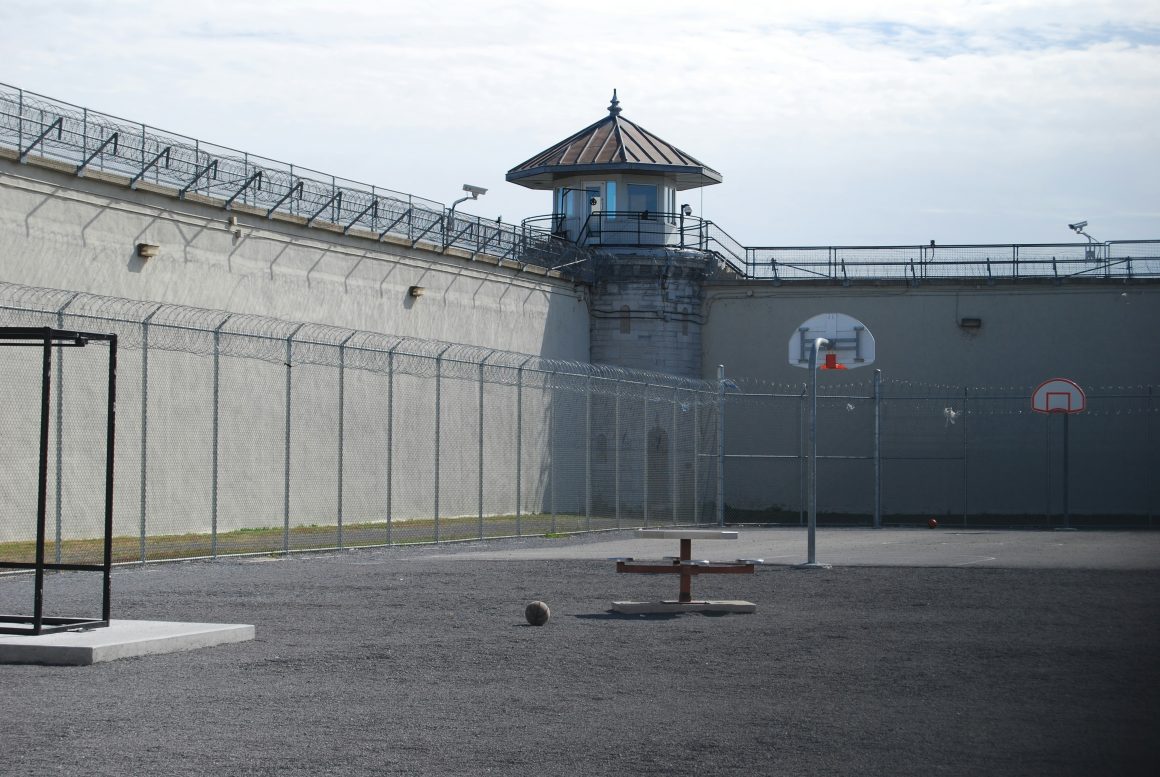
The latest available figures at the time of writing point to the estate for male prisoners in England and Wales being at near full capacity; approximately 99%.
In order to ease the burden of our overcrowded prisons, between October 2023 and June 2025 approximately 51,000 prisoners in England and Wales were released early; that is to say knowingly and in accordance with the regulations. I turn to those wrongly released (when it was not “time to go”) later in this article.
The End of Custody Supervised Licence (ECSL) scheme ran from October 2023 to September 2024 during which period 13,325 prisoners were released.
Then came the SDS40 Scheme. From 10 September 2024 those sentenced to less than 5 years were eligible for release after serving 40% of their standard determinate sentence (down from 50%). Those sentenced to more than 5 years but had served 40% of their sentence had a little longer to wait. For them the scheme operated from 22 October 2024. By June 2025 in all some 38,042 prisoners had been released.
They were subject to licence conditions and tagging and if in breach of their release conditions could be recalled to prison.
There are many offences which are excluded from early release including serious violent or sexual offences, terrorist offences, stalking, intentional strangulation and suffocation as well as controlling/coercive behaviour in an intimate or family setting.
There is an entirely different early release provision which permits release on compassionate grounds. From May 2022 there is a Policy Framework to be followed in such cases.
The early release provisions do not come cheap. There is a significant financial cost: from the money paid to those released to help them on their way (just short of £90) to the costs of increased supervision associated with tagging and the burdens imposed on an understaffed and underfunded probation service tasked with supervising those released back into the community. Victim support also faces increased strains. To the above is to be added the uncertain costs of re-offending.
However, these are exceptional provisions.
What of the standard release provisions? (there are different provisions for young offenders).
When a prisoner is released will depend on the length of sentence imposed, behaviour in prison and any time spent on remand.
A prisoner serving a determinate sentence is normally released automatically halfway through the sentence. However, if the offence is one of serious violence or a sexual offence where a sentence of four years or more has been imposed then two-thirds of the sentence must be served. Where the sentence exceeds 12 months any release will be on licence.
An application can be made for a Parole Board if a prisoner has an extended sentence or a fixed term of 4 years or more or the offence is one of serious violence or a sexual offence committed before 4 April 2005.
In each case (including those serving an indeterminate or life sentence) the prisoner will get advance notice of an application; it is initiated by the government not the prisoner.
A prisoner can be temporarily released from prison for short periods towards the end of a sentence; whatever its type or length.
For a single day a prisoner may be given a resettlement day release in preparation for final release. A resettlement overnight release allows a prisoner to spend a night at a place they will live at following permanent release. If they will be the primary carer of a child at the time of permanent release they may be eligible to spend time with the child under a childcare resettlement licence. In exceptional circumstances (for example medical care) a special purpose licence may be given.
The above regimes call for obvious care when identifying the nature of the offence/s, the sentence imposed, the relevant release date and relevant exceptions as well as prisoner assessments.
However, as recent publicity has highlighted, things have gone badly wrong. Prisoners have been released before it was their “time to go”.
In the 12 months to March 2025 262 prisoners were released by mistake in England and Wales. This is more than double the number mistakenly released in the previous year (115). That is up 128%.
We are now informed by yet another Justice Secretary that between April and October 91 prisoners were mistakenly released. He said that the figures were “…symptomatic of a prison system under horrendous strain…” His Shadow said that partly to blame was “the confusion created by Labour’s botched early release scheme.”
Putting politics to one side, it seems clear that the system is under such significant strain that it cannot safely and reliably discharge its release obligations.
However, there is a sort of “prodigal son” element to this tragic assessment which brings some light relief. It is to be found in Mr William (Billy) Smith.
Billy probably could not believe his luck. Sentenced to 45 months for fraud on a Monday by Croydon Crown Court (appearing by video link – so he did not even have to travel) he was released later that same day.
It has been explained as a “clerical” court error. He was given a custodial sentence, but it was entered on the computer system as a suspended sentence. The error appears to have been spotted by the court and corrected but the correction was sent to the wrong person. So, at Wandsworth prison Billy was shown the door.
However, by Thursday he turned up outside the prison and knocked at the door to be let back in no doubt suitably refreshed from his unsuspected mini-break.
Of course, he will no doubt have appreciated it was only a matter of time before he was found and returned and so no doubt he thought going back was inevitable but best done on his terms; after all he had on this occasion not been fraudulent.
It was all strangely comparable to the old “blitz spirit”. The bombs fell silent and life temporarily returned to “normal” before the sirens sounded again.
I do not suppose that as he puffed at his cigarette to the amusement of an eager Press as he patiently waited to be let back in, that the words “adiuva nos a stulti” [1] rang in his ears but had they done so I feel sure we would have all agreed.
[1] Editor’s footnote: translates as “deliver us from fools”.