
 Circle Case Management
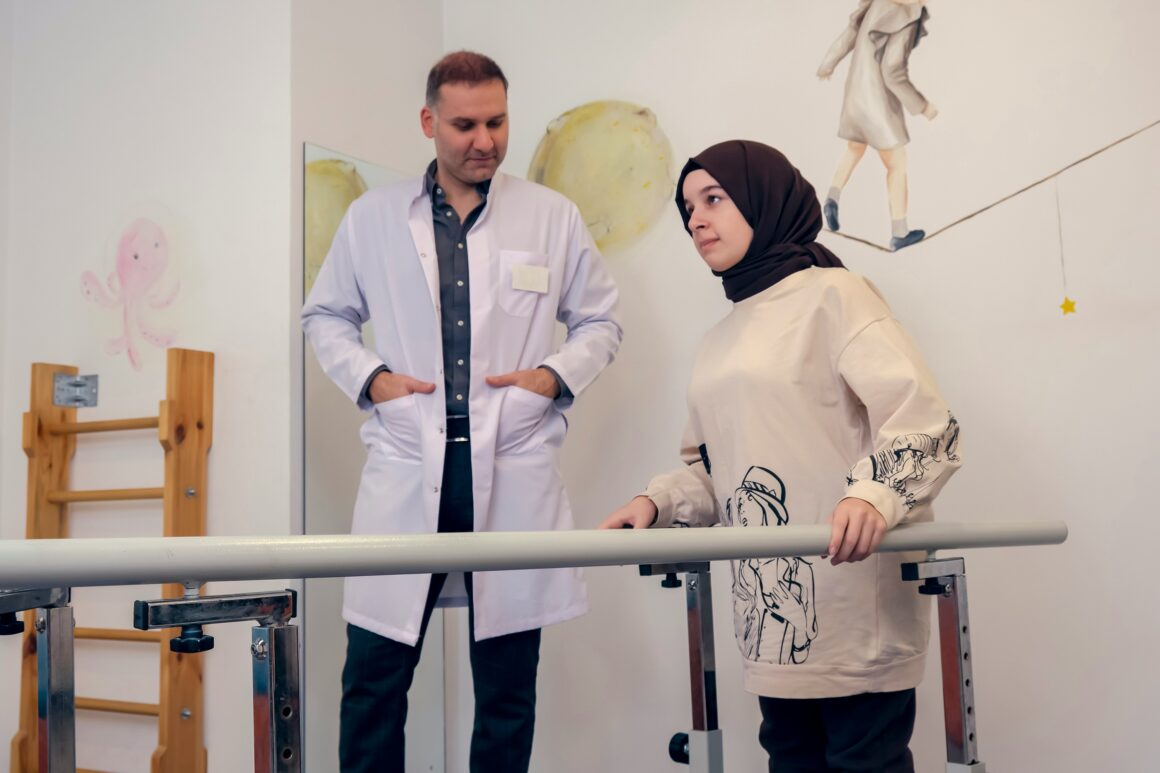
Why early, coordinated rehabilitation can change the course of recovery
An acquired brain injury can change a life in seconds. But understanding the injury itself is only the beginning.
For the individual, their family and the professionals supporting them, the real challenge often comes afterwards: rebuilding independence, relationships, confidence, routines, work, education and a sense of identity.
For clinical negligence and personal injury solicitors, this makes acquired brain injury particularly complex. The consequences do not always fit neatly into a diagnosis, scan result or hospital discharge summary. Some of the most significant difficulties may only become apparent when the person tries to return to everyday life.
That is why effective rehabilitation needs to look far beyond the injury.
Acquired brain injury is not one single presentation
Acquired brain injury (ABI) describes an injury to the brain occurring after birth. It can result from traumatic causes such as road traffic collisions, falls, assaults or workplace accidents, as well as non-traumatic causes including stroke, brain tumour, haemorrhage, infection or oxygen deprivation.
And no two people experience ABI in exactly the same way.
One client may have obvious physical impairment, speech difficulties and significant care needs. Another may appear physically well but struggle profoundly with memory, processing speed, fatigue, emotional regulation, planning or decision-making.
It is these less visible consequences that can be particularly difficult to recognise.
A client may look as though they have “recovered” because they can walk, communicate and complete basic activities independently. Yet returning home may expose difficulties that were barely noticeable within the structured environment of a hospital.
Managing appointments. Remembering medication. Preparing meals. Handling money. Parenting. Travelling independently. Coping in busy environments. Organising a day. Returning to work.
Tasks that were once automatic can suddenly require significant cognitive effort.
Headway identifies concentration, memory, speed of thought and executive functions such as planning, organisation, multitasking and flexible thinking among the common cognitive difficulties following brain injury. Importantly, subtle changes may not become obvious until greater demands are placed upon the individual.
For those involved in litigation, this is an important distinction.
Ability is not simply about whether somebody can complete a task once. It is also about whether they can do it safely, consistently, independently and sustainably in real life.
Rehabilitation should begin before the problems become crises
Historically, rehabilitation could sometimes be viewed as something that happened after the acute medical phase had finished.
Current thinking is very different.
NICE guidance emphasises early, individualised and holistic assessment of rehabilitation needs. Its 2025 guideline covering acquired brain injury recommends that rehabilitation goals and plans are developed around the person’s individual circumstances and considers areas extending well beyond physical function, including cognition, emotional wellbeing, communication, independent living, employment, social participation and relationships.
Earlier NICE guidance on rehabilitation following traumatic injury also makes an important point: the apparent severity of an injury does not necessarily reflect the complexity of somebody’s rehabilitation needs.
This is particularly relevant in ABI.
Waiting until a client is struggling at home, a relationship is breaking down, employment has failed or mental health has deteriorated risks turning potentially manageable rehabilitation needs into much larger problems.
Good rehabilitation should therefore be proactive rather than reactive.
The difference between treatment and rehabilitation
Medical treatment may stabilise the injury.
Rehabilitation asks a different question:
How do we help this person live their life again?
That requires understanding who the individual was before the injury, what matters to them now and what they want their future to look like.
For one person, independence might mean returning to their own home.
For another, it might mean being able to take their children to school, use public transport, cook safely, manage fatigue, return to university or see friends without support.
Successful rehabilitation is rarely about one isolated intervention. It is usually the result of multiple professionals working towards meaningful, coordinated goals.
Depending on the individual, this may involve occupational therapy, physiotherapy, neuropsychology, speech and language therapy, psychological support, nursing, rehabilitation medicine, vocational rehabilitation, care provision, equipment, accommodation or community services.
The important word is coordinated.
A collection of excellent clinicians does not automatically create an excellent rehabilitation programme if everyone is working separately.
The role of specialist case management
Complex ABI rehabilitation can involve numerous professionals, appointments, recommendations, services and funding decisions — at a point when the person affected may have reduced ability to organise, process or advocate for themselves.
This is where specialist case management can make a significant difference.
NICE’s 2025 guidance specifically recognises a role for complex case management where people have severe, complex and long-term rehabilitation needs, including where cognitive or executive-function difficulties affect their ability to manage their condition or navigate rehabilitation services.
The case manager can provide the thread running through the rehabilitation journey: identifying needs, coordinating the multidisciplinary team, setting and reviewing goals, sourcing appropriate services, monitoring progress and ensuring recommendations translate into action.
Crucially, the rehabilitation plan should evolve.
What somebody needs three months after an injury may be very different from what they need at twelve months, two years or five years.
Progress may open new possibilities. Equally, increasing demands may reveal difficulties that were previously hidden.
Rehabilitation happens in real life
One of the most important stages of ABI rehabilitation occurs when somebody begins attempting to resume ordinary life.
This is where clinical ability meets reality.
The client who can prepare a meal during an occupational therapy session may struggle to plan a week’s shopping and meals.
The client who communicates well during a quiet appointment may become overwhelmed in a busy workplace.
The person who can concentrate for thirty minutes may not be able to sustain attention through an eight-hour working day.
The parent who can independently complete personal care may still struggle with the planning, multitasking and emotional demands involved in caring for children.
Effective rehabilitation therefore needs to consider participation, not simply impairment.
NICE’s current guidance reflects this, addressing employment, education, social and leisure activity, friendships, family life and relationships as legitimate areas of rehabilitation.
Recovery is not simply being discharged from therapy.
It is being able to participate meaningfully in life.
Do not underestimate the family
Brain injury rarely affects one person alone.
Partners can become carers. Parents may find themselves supporting an adult child again. Children may experience a parent whose personality, energy levels or emotional responses have changed.
Families are frequently trying to process their own trauma while simultaneously learning how to support someone whose needs they may not fully understand.
This can lead to frustration, conflict, over-protection, unrealistic expectations or carer burnout.
Family involvement can therefore be an essential part of rehabilitation — while still ensuring that the client’s own wishes, autonomy and goals remain central.
Sometimes the intervention that makes the greatest difference is not another hour of therapy, but helping the people around the client understand why they behave differently, why fatigue matters, why prompting may be necessary or why apparently simple activities can be overwhelming.
What should legal teams be looking for?
In an ABI case, some useful questions to consider early include:
- What has actually changed in the client’s everyday life? Look beyond physical ability to cognition, fatigue, behaviour, emotional wellbeing, relationships, parenting, work, education and social participation.
- Who is coordinating rehabilitation? Where multiple professionals are involved, somebody needs oversight of the overall plan, goals, recommendations and outcomes.
- Are recommendations being implemented? A recommendation sitting within a report does not improve somebody’s life unless the appropriate intervention, equipment or support follows.
- Are rehabilitation goals meaningful to the client? Effective rehabilitation should reflect the individual’s priorities rather than simply what professionals believe should matter.
- Are needs being reviewed as life becomes more demanding? Difficulties can emerge when the client returns home, attempts employment, resumes parenting or begins managing more independently.
Rehabilitation and the litigation process
For solicitors, good rehabilitation and good evidence frequently develop alongside one another — but they should never be confused.
The purpose of rehabilitation is not to manufacture evidence or increase the value of a claim.
The purpose is to achieve the best possible outcome for the client.
However, properly coordinated rehabilitation inevitably creates a clearer picture of what that client actually needs.
It can provide contemporaneous information about function, progress, barriers, successful interventions and areas in which support remains necessary. It may also help inform decisions around interim funding and give medico-legal experts valuable real-world information when considering future care, therapy, accommodation, equipment, vocational or support needs.
It can also identify something equally important: where a client has progressed beyond earlier expectations and no longer requires a previously anticipated level of support.
That is what genuinely client-centred rehabilitation should do.
From surviving to living
Acquired brain injury rehabilitation is ultimately about far more than clinical recovery.
It is about helping an individual rebuild a life that has suddenly changed.
Sometimes that means walking again.
Sometimes it means learning strategies to compensate for memory difficulties.
Sometimes it means returning to work in a different role, volunteering, becoming a parent again rather than feeling like a patient, rebuilding a relationship or simply having the confidence to meet a friend for coffee independently.
The destination is different for every client.
What matters is recognising the rehabilitation journey early enough, surrounding the individual with the right expertise and continually asking the question:
What does independence look like for this person?
Because after acquired brain injury, the best outcomes are rarely achieved by focusing solely on what has been lost.
They come from identifying what can be rebuilt.
Free specialist training: Acquired Brain Injury – Injury to Independence
Circle Case Management delivers a free 45-minute Acquired Brain Injury training session for legal and insurance teams, exploring the rehabilitation journey, the challenges that can emerge following ABI and the interventions and support that can shape recovery, independence and long-term outcomes.
Sessions are delivered live by experienced practising clinicians, tailored to your team’s caseload and learning needs, and can be held online or in your office.
To arrange a session, contact nicola@circlecm.com.